
Dynamic Pricing Mastery: Unlocking Explosive SaaS Growth Through Strategic Monetization
Imagine this: Two SaaS startups launch identical products. One clings to rigid, outdated pricing, while the other adapts its rates based on customer behavior and market trends. Within a year, the agile company outpaces its competitor by 40% in revenue. In today’s SaaS arena, dynamic pricing isn’t a luxury but it’s the linchpin of sustainable growth. This article reveals how to harness AI, behavioral insights, and tiered value delivery to transform your pricing strategy from a static menu into a revenue-generating powerhouse.
The High Cost of Static Pricing in a Dynamic Market
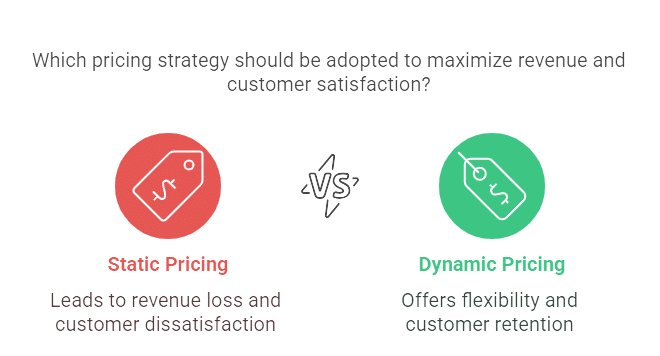
Traditional “set-and-forget” pricing models are crumbling under modern demands. Consider these pitfalls:
- Revenue Leakage: Bundling high-value features into cheap tiers leaves millions on the table.
- Customer Alienation: 73% of B2B buyers demand pricing flexibility tailored to their needs (Gartner).
- Competitive Blind Spots: Fixed rates can’t counter rivals’ flash sales or regional discounts.
Real-World Impact: A CRM startup lost 22% of its enterprise clients after refusing to adopt usage-based pricing—proof that inflexibility drives churn.
Four Data-Backed Dynamic Pricing Strategies to Skyrocket SaaS Revenue
1. Value-Based Tiering: Price What Your Customers Actually Value
Forget arbitrary tiers. Align pricing with measurable outcomes:
- Feature-Led Tiers
- Basic: Core functionalities (e.g., task management).
- Premium: Advanced analytics, API access.
- Enterprise: Custom SLAs, dedicated support.
- Usage-Based Models
- Charge for active users, API calls, or storage.
- Outcome-Driven Pricing
- Tie fees to client success metrics (e.g., revenue uplift from your tool).
Case Study: A cybersecurity SaaS boosted ARR by $2.5M in 6 months by introducing “pay-per-threat-detected” pricing for SMBs.
2. AI-Powered Pricing: Let Algorithms Do the Heavy Lifting
Machine learning isn’t just for chatbots. Deploy AI to:
- Predict churn risks and trigger retention discounts.
- Adjust prices in real-time based on competitor moves (e.g., a rival’s Black Friday sale).
- Analyze historical data to identify under-monetized features.
Tools to Try: Pros uses AI to recommend optimal prices, while Pricefx automates global rate adjustments.
3. Hyper-Localized Pricing: Win Global Markets Without Cannibalizing Value
One price doesn’t fit all. Adapt to regional nuances:
- Geofenced Discounts: Offer lower rates in price-sensitive markets like India or Brazil.
- Currency Localization: Display prices in euros for EU clients, pesos for LatAm.
- Regulatory Adjustments: Factor in VAT, GDPR fines, or data laws into pricing.
Pro Tip: Use Paddle to automate tax compliance and multi-currency billing, reducing checkout friction by 31%.
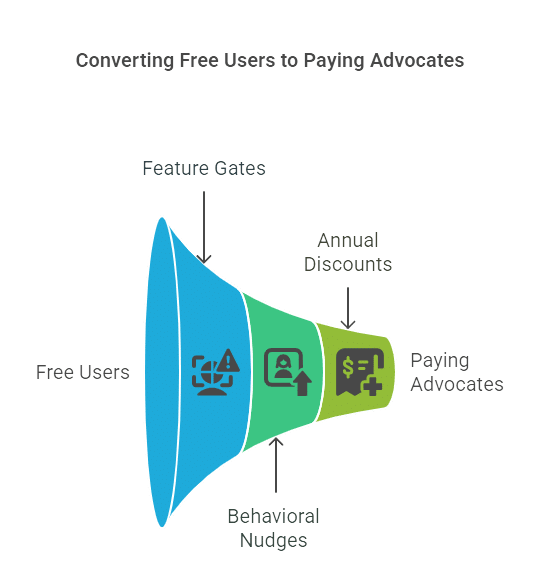
4. Freemium Funnels: Turn Free Users into Paying Advocates
Freemium isn’t dead—it’s evolving. Convert users with surgical precision:
- Feature Gates: Reserve AI insights or custom dashboards for paid tiers.
- Behavioral Nudges: Use in-app prompts like, “Teams who upgrade see 50% faster results!”
- Annual Discounts: Offer “20% off for yearly billing” to boost LTV.
Slack’s Success: By limiting message history in free plans, Slack converted 30% of freelancers into paying users within 90 days.
Tools to Execute Flawlessly (Without Blowing Your Budget)
- Chargebee: A/B test pricing tiers and track MRR/churn in real-time.
- ProfitWell: Slash involuntary churn with automated dunning workflows.
- Gainsight: Monitor customer health scores to pinpoint upsell opportunities.
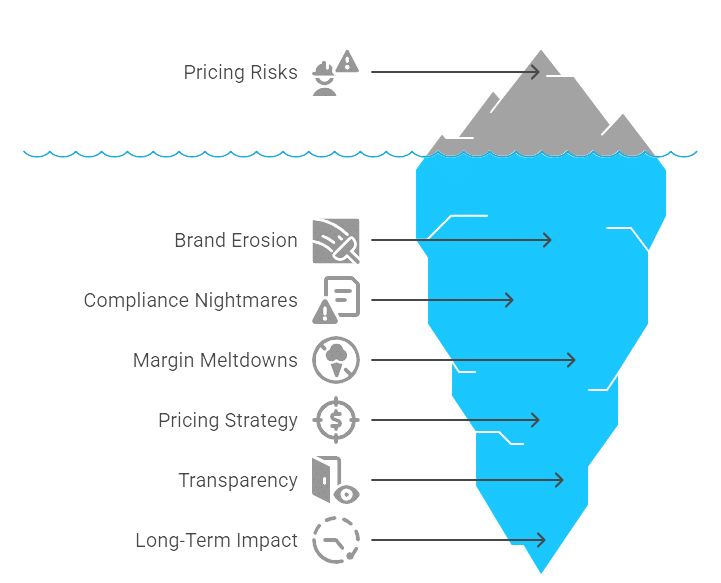
The Dark Side of Poor Pricing: Risks You Can’t Ignore
Mispricing isn’t just a revenue hiccup—it’s existential:
- Brand Erosion: 61% of buyers lose trust after hidden fees.
- Compliance Nightmares: GDPR fines can hit €20M or 4% of global revenue.
- Margin Meltdowns: Over-discounting shrinks profits; under-pricing undervalues innovation.
Cautionary Tale: A project management tool faced a 15% user exodus after springing surprise costs for “premium” integrations.
Future-Proof Your Strategy: 3 Steps to Stay Ahead
- Audit Quarterly: Align pricing with shifting market trends and customer feedback.
- Leverage Behavioral Data: Track which features drive upgrades (e.g., users who export data daily are 3x likelier to pay).
- Test Fearlessly: Run limited-time offers (e.g., “Summer Sprint Discounts”) to validate new models risk-free.
Conclusion: Pricing as Your Secret Growth Weapon
Dynamic pricing isn’t about chasing trends—it’s about building a monetization engine that evolves with your market. By blending AI insights, hyper-localized tactics, and tiered value, SaaS companies can turn pricing into a competitive moat. Remember: In a world where 68% of buyers prioritize flexible pricing (Forrester), stagnation is the real risk.
Ready to revolutionize your revenue? Start small—test one strategy from this guide—and watch scalability follow.
Automate your web tests without code
Record tests in your browser and run them on every release. Free plan, no credit card required.
Start FreeBook a free QA call